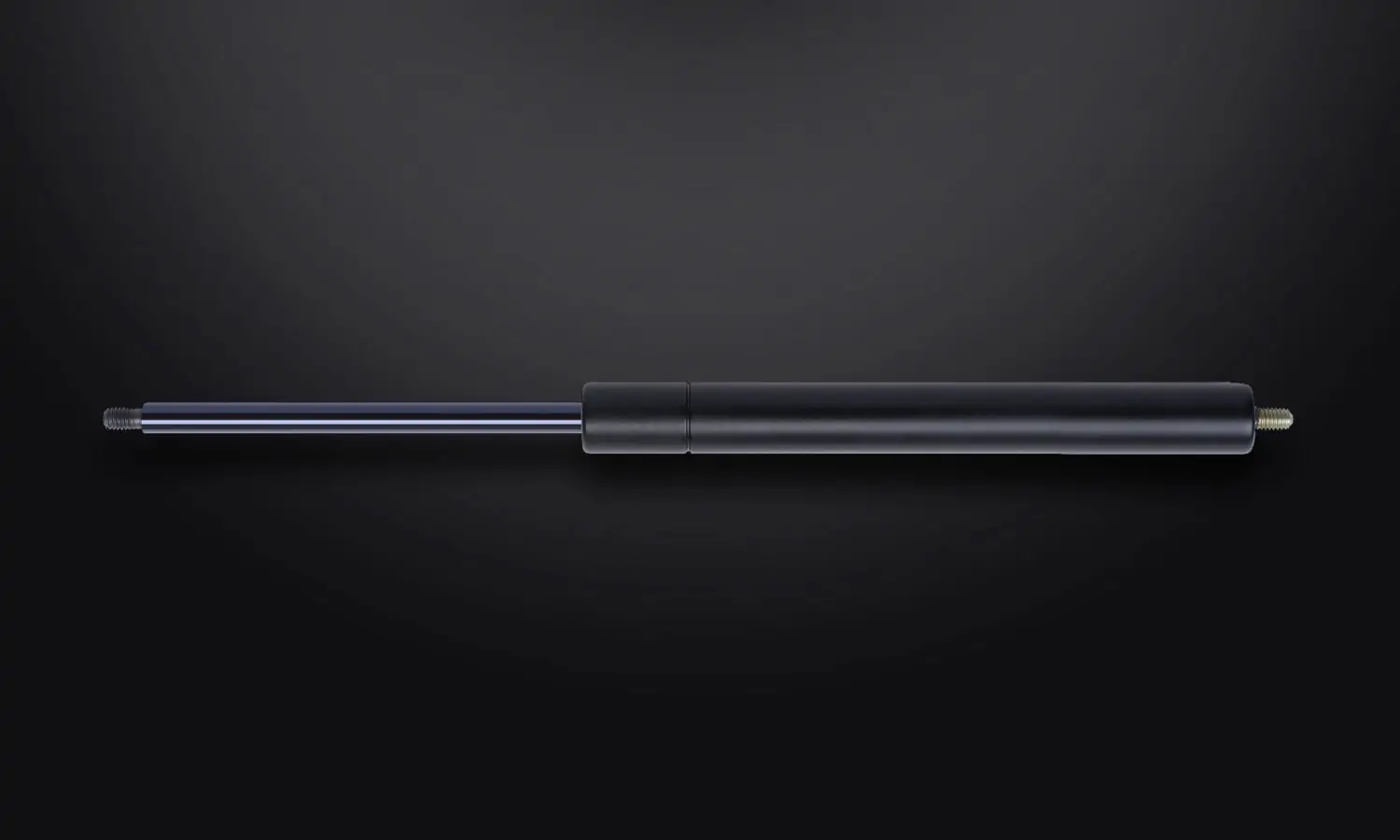
What size gas struts do Camloc offer?
Camloc have the capabilities to manufacture gas springs in a wide array of sizes.
Common Applications for Gas Struts
Gas struts find their way into a wide variety of products and industries, providing smooth, controlled movement and reliable support wherever you need a helping hand. You’ll spot these versatile components in:
- Cabinets and furniture: Ensuring soft-close or hands-free operation for kitchen units, office desks and storage chests
- Automotive uses: Frequently fitted in car bonnets, boot lids and even motorcycle panniers for secure, effortless opening
- Recreational vehicles: Pop-top roofs and under-seat storage in campervans rely on gas struts for easy access
- Industrial equipment: Used in access panels, machine covers and safety doors to make maintenance safer and easier
- Medical devices: Adjustable hospital beds, trolleys and examination tables often use gas struts to aid in smooth adjustment and positioning
- Garden and outdoor storage: Supporting heavy lids on toolboxes, garden sheds and deck boxes for safer, more manageable lifting
- Aviation: Storage hatches, small access panels and compartment doors in light aircraft benefit from the same dependable functionality
- Farms and zoos: Lifting and holding hatches or access doors in animal enclosures, stables and wildlife parks
Wherever you need precise, controlled movement and reliable holding, there’s a good chance a gas strut is quietly doing the heavy lifting.
Standard Gas Spring Sizes
Selecting the right gas spring starts with one key factor: the weight of the object you need to lift or support. Gas struts are rated by the amount of force they can exert, typically measured in Newtons (N). To ensure proper lifting and secure holding, always determine the approximate weight of your lid or panel in kilograms.
Use the table below to match your lid’s weight to a standard gas spring size:
Gas Spring Size |
Approximate Lid Weight |
| 6-15 | Up to 10kg |
| 8-18 | 10-40kg |
| 10-23 | 40-150kg |
| 14-28 | 150-350kg |
When choosing your gas spring, keep in mind:
- Measure accurately: Weigh the lid or panel as precisely as possible for an optimal fit
- Check the force range: Gas springs are available in increments – usually 10N steps – based on the allowable pressure and the rod’s buckling load
- Reference charts: Use force range tables to ensure the spring can safely lift and support your application
By matching your lid’s weight to the recommended gas spring size and adjusting for the proper force interval, you’ll get reliable, long-lasting performance.
How to Determine the Right Gas Strut Force
Choosing the correct force for your gas strut is essential to ensure smooth operation and proper support for your application. The main factor to consider is the weight of the object you need to lift or hold – typically a lid, hatch or panel.
As a starting point, you’ll want to:
- Measure the total weight of the object
- Note the distance from the hinge to the centre of gravity (the balance point)
- Use this information to calculate the required force, often by multiplying the weight by the distance from the hinge to the centre of gravity, then factoring in how many struts you’ll use
For the most accurate results, simply get in touch with our technical team – we’re always happy to help you work out the best fit for your project.
With these numbers to hand, you’ll be ready to select the right gas strut from our wide range of sizes and force options.
We have the capabilities to manufacture gas springs in a wide array of sizes. Our gas springs come in a range of diameters to handle different force ranges and can be made with strokes up to 1 metre long.
Determining the Correct Force Rating for Your Gas Strut
Choosing the right force rating is essential to ensure your gas strut operates smoothly and safely. So, where do you start?
Consider the Weight and Movement of Your Application
Begin by weighing the object the gas strut will support – whether that’s a lid, hatch or panel. This is the single most important detail, as the force rating (measured in Newtons) must match the load requirements.
Next, take note of how far the pivot (usually a hinge) sits from the object’s centre of gravity. The further the distance, the more force the strut will need to exert.
Striking the Right Balance
- Too much force? Your lid will be harder to close and could even spring open.
- Too little force? It may not stay open or could slam shut unexpectedly.
Aim for a balance where the application opens and closes with minimal effort and remains securely in position.
Gas Spring Sizes |
Range of Stroke (Rod Lengths) |
Range of Tube Lengths |
Force Range |
Thread Type |
| 6mm rod diameter – 15mm tube diameter | 60-200mm (5mm increments) | 90-235mm (1mm increments) | 50-400N (11.24-89.92lbs) | M5x0.8 |
| 8mm rod diameter – 18mm tube diameter | 60-300mm (5mm increments) | 105-335mm (1mm increments) | 100-850N (22.48-191.09lbs) | M6x1.0 |
| 10mm rod diameter – 23mm tube diameter | 60-400mm (5mm increments) | 105-440mm (1mm increments) | 150-1200N (33.72-269.77lbs) | M8x1.25 |
| 14mm rod diameter – 28mm tube diameter | 60-500mm (5mm increments) | 115-555mm (1mm increments) | 200-2500N (44.96-562.02lbs) | M10x1.5 |
How to Measure for a Replacement Gas Strut
If you’re planning to replace an existing gas strut, taking accurate measurements is key to ensuring the new one works seamlessly with your application. Here’s a simple checklist to guide you through the process:
- Measure the extended length: Start by measuring the length of your current gas strut from the centre of one end fitting to the centre of the other, while the strut is fully extended
- Determine the stroke length: Next, measure the distance the rod travels from fully closed to fully extended. This is your stroke length
- Identify the force: Look for a marking – often printed or stamped directly on the gas strut – that indicates the amount of force (typically shown in Newtons, e.g. 500N)
- Check end fittings: Examine the type of fittings on each end, such as ball sockets or eyelets, to ensure your replacement strut will be a direct swap
- Weigh the lid: If you’re unsure about the required force, determine the approximate weight of the lid or object to be lifted. This can help you select the appropriate gas strut for your needs
Using these simple steps helps ensure a trouble-free replacement, minimising downtime and maintaining smooth operation.
Matching End Fittings for Replacement Gas Struts
When replacing a gas strut, it’s essential to ensure your new strut features end fittings that are compatible with your application. Common types include ball joints, clevises and eyelets – each offers a slightly different attachment method and can affect the overall movement and fit.
Here’s what to consider:
- Check existing fittings: Carefully examine the end fittings on your current gas strut. Measure any critical dimensions, such as bore size or thread type, to help you match them accurately
- Identify the fitting style: Compare your end fittings to common styles like plastic or metal ball sockets, clevis forks or threaded eyelets. If a part number or manufacturer’s stamp is visible, this can help source an exact equivalent
- Confirm compatibility: Ensure the replacement fittings will align correctly with your mounting points. Double-check whether the ends rotate, pivot or need to remain stationary to match your equipment’s operation
If you’re unsure, photographs and measurements go a long way – keep notes handy when speaking with technical support, and reference manufacturer diagrams if available. This way, you’ll ensure a seamless and safe replacement.
Through our bespoke offering, we can discuss with you the potential of manufacturing gas springs outside of our standard range, with different dimensions and handling characteristics.
Can I Replace My Gas Strut with a Different Size?
It is possible to use a gas strut of a different size, but it’s important to ensure the new strut matches the necessary force output and can be mounted in the same positions.
For optimal safety and performance, we always recommend matching the original specifications as closely as possible – paying particular attention to force ratings, stroke length, rod and tube diameter, and mounting configuration. This helps to guarantee correct operation and extends the life of both the gas spring and your application.
If you’re unsure about compatibility or need advice tailoring a replacement to your specific requirements, our engineering team is on hand to help you choose the most suitable solution.
What could happen if I use the wrong size gas strut?
Selecting the wrong size or strength of gas strut can cause a range of issues for your application. If the gas strut is too powerful, it may exert excessive force, potentially causing damage to mounting points, hinges or even the structure itself. However, if the gas strut is underpowered, it may fail to hold or lift the lid, door or panel as intended, making operation difficult or even unsafe.
Proper sizing ensures smooth, controlled movement and long-term reliability. Always consider both the weight and dimensions of the item you’re supporting to get the best performance. If you’re uncertain which gas strut is right for your needs, our technical team can help guide you toward the most suitable option.
Importance of Mounting Points and Angles
When it comes to the performance of your gas strut, the position and orientation of the mounting points play a major role. Getting these details right ensures safe operation and helps you make the most of your spring’s potential.
Mounting further from the hinge typically increases force but shortens the opening range, while positioning the strut closer to the hinge reduces the required force but may need a longer stroke. Carefully considering the angle of installation is key as well – an optimal angle prevents overextension and promotes smooth, controlled movement throughout the opening cycle.
For best results:
- Mount your brackets in a location that balances ease of opening with the needed support
- Avoid sharp angles that might strain the mechanism or cause premature wear
- Always check that the strut will operate within its design parameters based on your lid’s range of motion and weight
Correctly positioning your gas spring means fewer headaches down the road, and confidence in every lift.
For information on sizing of our products including any information on Econoloc shrouds, 316L Stainless Steel and other variations of our standard line of gas springs please view our Products Page.
If you require assistance. please contact one of our experts on + 44 (0)116 274 3600 or alternatively you can send an enquiry through our Contact Us page.